
What are the symptoms of a pulled upper back muscle? A pulled upper back muscle often causes sudden pain, stiffness, muscle spasms, tenderness, and difficulty moving your neck, shoulders, or upper back. Most mild muscle strains improve with rest, activity modification, and physical therapy, while severe pain or persistent symptoms should be evaluated by a healthcare provider.
Early treatment can reduce pain, restore movement, and help prevent recurring injuries. Understanding the severity of your muscle strain is the first step toward a safe recovery and returning to your normal activities.
Key Takeaways:
- A pulled upper back muscle commonly causes pain, stiffness, and muscle spasms.
- Most mild muscle strains improve with conservative treatment.
- Early movement and physical therapy may speed recovery.
- Severe pain, numbness, or weakness requires medical evaluation.
- Proper posture and strengthening exercises help prevent future injuries.
Anatomy of the Upper Back Muscles
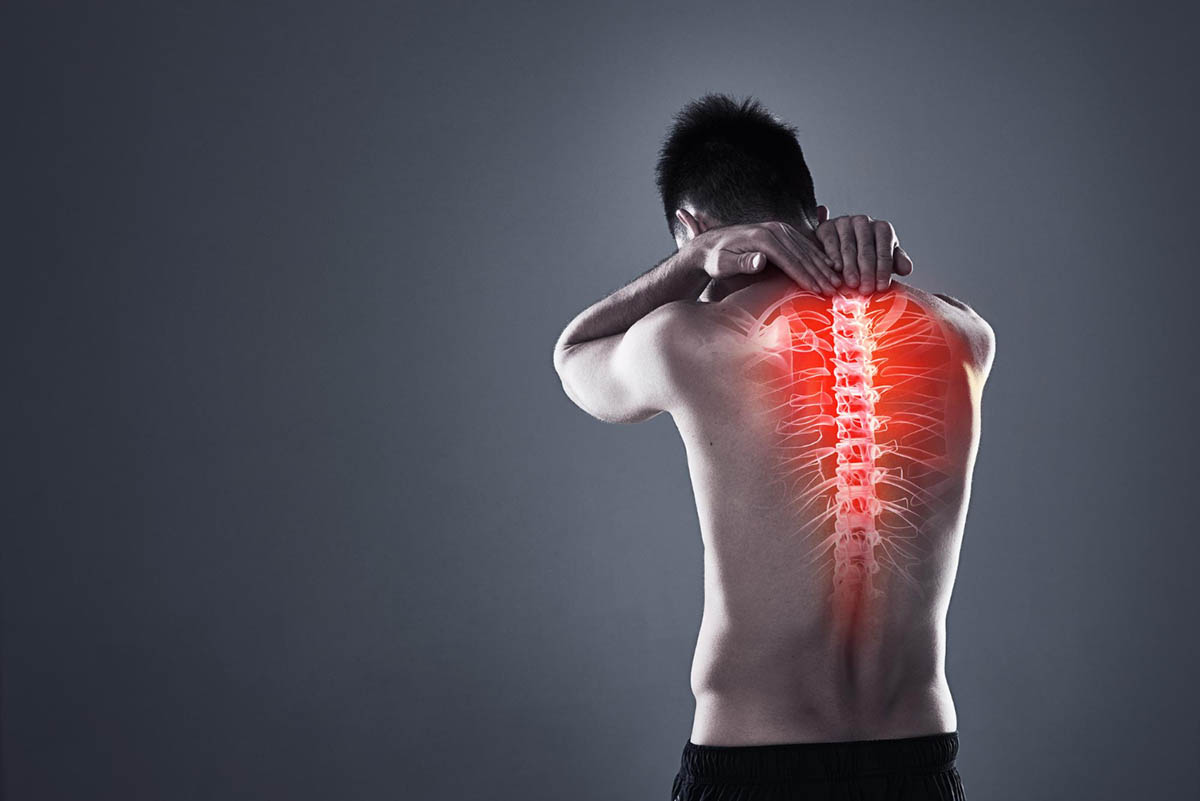
The upper back comprises several vital muscles, including the trapezius, rhomboids, and latissimus dorsi. These muscles are responsible for the movement and stability of the shoulder blades and upper spine. A pulled muscle, also known as a muscle strain, occurs when these muscles, part of the body’s connective tissue, are overstretched or torn, leading to severe back pain and discomfort. Elastic bandages can sometimes be used for support. The injury can involve fibrous bands of tissue, which can be particularly painful.
What is a Pulled Muscle in the Upper Back?
A pulled muscle in the upper back refers to a condition where the muscle fibers are overstretched or torn. This injury can range from minor muscle strains with minor discomfort to severe injuries that cause intense pain and significant limitations in movement. In extreme cases, it may involve a complete tear of the muscle fibers, known as a total rupture.
Signs and Symptoms of a Pulled Muscle in Upper Back
Recognizing the signs of pulled upper back muscle is crucial for timely treatment, as it can help reduce pain signals from your body. Here are some common signs to look out for:
For Pulled Muscle in the Neck Area
- Sharp or dull pain in the neck and upper back
- Stiffness and reduced range of movement
- Swelling and tenderness in the affected area
- Muscle spasms
For Pulled Muscle in the Shoulders and Upper Back
- Sudden, sharp pain during physical activity
- Persistent ache or discomfort at rest
- Swelling and bruising
- Limited mobility and difficulty performing daily tasks
Common Causes of Pulled Muscle in Upper Back
Understanding the causes can help prevent future injuries. Here are some common reasons for a pulled muscle in the upper back:
Falling
A fall can cause sudden, forceful movements that overstretch the muscles, leading to a strain.
Overexertion
Lifting a heavy load or overworking the muscles during physical activity can result in a pulled muscle and pain in back.
Poor Posture
Slouching or maintaining an awkward position for extended periods can strain the upper back muscles. Improving posture is one way to prevent back pain.
Repetitive Movements
Performing repetitive tasks, especially those that involve the upper body, can lead to muscle fatigue and strain. Regular stretching can help prevent this.
Sudden Movements
Quick, jerky movements can cause the muscles to overstretch or tear, increasing the risk of injury.
Overweight
Excess weight puts additional strain on the muscles and joints, increasing the risk of a pulled muscle.
Inactive Lifestyle
A lack of regular exercise can weaken the muscles, making them more susceptible to injury, including chronic muscle strains.
Diagnosis of a Pulled Muscle in the Upper Back

Accurate diagnosis is essential for effective treatment. Here are some methods used to diagnose a pulled muscle in the upper back:
Physical Examination
A healthcare professional will conduct a thorough physical examination, checking for pain, tenderness, and swelling in the affected area.
Imaging Tests
In some cases, imaging tests such as X-rays or magnetic resonance imaging (MRI) scans may be required to rule out other conditions and assess the extent of the injury.
Self-assessment Tips for Identifying a Pulled Muscle
- Compare the affected area with the non-affected side for any visible swelling or bruising.
- Gently press on the muscle to check for tenderness.
- Note any limitations in your range of motion or pain during specific movements.
Strategies for Managing a Pulled Muscle in the Upper Back
Proper management can accelerate recovery and prevent complications. Here are some strategies:
Immediate First Aid (Rest, Ice, Compression, Elevation)
- Rest: Avoid activities that exacerbate the pain.
- Ice: Apply cold packs to reduce swelling and pain.
- Compression: Use a compression bandage to support the muscle.
- Elevation: Keep the affected area elevated to minimize swelling.
Over-the-counter Medications
Nonsteroidal anti-inflammatory drugs (NSAIDs) such as ibuprofen can help reduce pain and inflammation. Over-the-counter anti-inflammatory medicines can also be effective.
Massage
Massage therapy can relieve muscle tension and promote blood flow to the affected area, aiding in recovery.
Rehabilitation Exercises
Engaging in specific exercises designed to strengthen the upper back muscles can prevent future injuries. Consult a physical therapist for a tailored exercise program that includes gentle stretching exercises.
Importance of Proper Posture and Ergonomic Adjustments
Improving posture and making ergonomic adjustments to your workspace can significantly reduce the risk of muscle strain. Improving posture is one solution to preventing back pain, and it is crucial for long-term health and wellness. It is thought that anywhere between 15% and 19% of people suffer from chronic or lifetime upper back pain, highlighting the importance of proactive measures.
Get Expert Help for a Pulled Muscle Upper Back at WildHawk Physical Therapy

At WildHawk Physical Therapy, our experienced team of medical professionals can provide personalized treatment plans to help you recover from a pulled muscle in the upper back. From initial diagnosis to tailored rehabilitation exercises, we ensure you receive the best care possible, including medical treatment and proper treatment.
Conclusion
A pulled muscle in the upper back can be painful and disruptive, but with proper identification and treatment, recovery is achievable. By understanding the anatomy, causes, symptoms, and treatment options, you can manage this condition effectively and prevent future occurrences. Remember, improving posture and maintaining an active lifestyle are vital to keeping your upper back muscles healthy.
FAQs About Pulled Upper Back Muscles
How long does a pulled upper back muscle take to heal?
Most mild pulled upper back muscles heal within one to three weeks with rest, gradual movement, and appropriate treatment. More severe muscle strains may take several weeks or longer, depending on the extent of the injury and your activity level.
What does a pulled upper back muscle feel like?
A pulled upper back muscle typically causes sudden or gradual pain, stiffness, tenderness, muscle spasms, and discomfort when moving your neck, shoulders, or upper back. Some people also notice swelling, weakness, or a reduced range of motion.
Should you massage a pulled upper back muscle?
Gentle massage may help reduce muscle tension and improve blood flow once the initial pain and inflammation begin to settle. Avoid deep tissue massage immediately after the injury, as it may worsen symptoms. A physical therapist can recommend the safest treatment based on the severity of your muscle strain.
When should I see a physical therapist for a pulled upper back muscle?
You should see a physical therapist if your upper back pain lasts more than a few days, limits your daily activities, or keeps returning. Early treatment can help reduce pain, restore mobility, and prevent a minor muscle strain from becoming a long-term problem.
Can you exercise with a pulled upper back muscle?
Light movement is often encouraged as pain begins to improve, but strenuous exercise and heavy lifting should be avoided until the muscle has healed. A physical therapist can recommend safe exercises that support recovery without placing additional stress on the injured muscle.