
You love the game, and you work hard to stay active, strong, and competitive.
Then one swing tweaks your back, your elbow flares up after a range session, or your shoulder complains every time you finish your follow-through, and suddenly golf feels more stressful than fun.
That is where focused golf injury physical therapy comes in.
At WildHawk Physical Therapy, we see how often golfers try to just stretch more, take pain meds, or take a few weeks off and hope things clear up.
You might feel a little better for a bit, then the same pain returns as soon as you ramp your game back up, and frustration starts to build.
This blog walks you through what actually causes most golf injuries, why active adults and athletes tend to hit the same roadblocks, and how targeted physical therapy helps you get back to strong, confident play.
You learn what to watch for in your own body, how treatment goes beyond chasing pain, and what it looks like to return to the course without feeling fragile or worried about the next flare-up.
Understanding Golf Injuries In Active Adults
The golf swing looks smooth from the outside, but your body knows it is a powerful, high-speed, repetitive movement.
If one piece of the system does not pull its weight, another area works overtime and starts to complain.
When you layer golf on top of strength training, running, Brazilian jiu-jitsu, or long hours at a desk, your body handles a lot of different stresses.
If golf is going to stay fun and pain-free, it helps to understand what usually goes wrong and why.
The Most Common Golf Injuries And Why They Happen
Most golf injuries fall into a few familiar zones, and once you know them, your pain starts to make a lot more sense.
These problem spots often show up in similar ways for active adults.
Common trouble spots for golfers include:
- Low back pain, especially after a long round or range session
- Golfer’s elbow or tennis elbow around the inner or outer elbow
- Wrist and hand irritation from gripping and impact
- Shoulder pain at the top or end of the swing
- Hip and knee aches, often on the lead side
These areas take a beating because golf combines:
- High rotational force through your spine and hips
- Sudden acceleration and deceleration of the club
- Repeated swings over weeks and months, often with poor recovery
- Asymmetry, since you rotate in the same direction thousands of times
If your hips stay tight or your mid back does not rotate well, your lower back often pays the price.
If your shoulder lacks strength or control, your elbow and wrist try to stabilize the club and end up irritated and sore.
For active adults, this often stacks on top of:
- Heavy lifting in the gym
- Hard interval runs or long trail days
- Grappling or striking in combat sports
- Long days at a laptop or in the car
Golf does not cause trouble in a vacuum. It exposes the weak link that already sits in your system, which is why two people can play the same number of rounds and only one ends up hurt.

Swing Mechanics, Load, And Your Body
You do not need a perfect tour-level swing to play without pain. You do need a swing that your body can repeat without constant strain or compensation.
Problems usually come from a mix of mechanics and physical limits. You often see patterns such as:
- Over-swinging to chase distance when your body lacks mobility or strength
- Spinning your lower back instead of turning through your hips and mid back
- Casting or early release that loads your elbow and wrist more than your shoulder and trunk
- Losing posture, then snapping back up at impact and jamming the spine
When your body cannot reach a solid position easily, it compensates in subtle ways.
You might slide instead of rotate, lift your arms instead of turning through your trunk, or grip the club harder to feel stable.
These small adjustments feel normal to you, but each one adds friction to joints, tendons, and muscles. Over a full season, that extra stress catches up and shows up as pain, stiffness, or a sudden sharp twinge.
When Soreness Turns Into An Injury
Some soreness after a new round, a tournament, or a long practice day can feel normal. It should fade within a day or two and not change how you move or how your swing looks.
You want to pay attention when you notice:
- Pain that lingers more than a few days
- Sharp, catching, or stabbing pain with specific parts of the swing
- Stiffness that makes warm-ups longer or more intense
- Loss of power or speed in your swing
- Needing to change your swing or grip just to avoid a painful spot
Active adults often push through this stage because they feel strong and do not want to lose momentum. You might tape the area, take anti-inflammatory medication, or swing easier for a while and hope things calm down.
The problem is that your body now works around pain, not with clean mechanics.
You develop new compensations, reinforce poor patterns, and place even more stress on already irritated tissue, which turns a small ache into a season-long problem.
How Golf Injury Physical Therapy Speeds Safe Return To Play
Golf injury physical therapy gives you a clear, structured way to heal and protect your game. Instead of resting and guessing, you follow a plan that rebuilds your body and your confidence.
The Assessment Is More Than Just Where It Hurts
A solid golf-focused assessment looks at your whole body and your movement, not just the painful area. The goal is to understand how your body handles the demands of your swing and your other activities.
A typical evaluation at WildHawk Physical Therapy can include:
- A detailed history of your pain, sports background, and weekly training volume
- Movement screens such as squats, hip hinges, lunges, and rotations
- Balance and single leg control tests
- Strength checks for hips, core, shoulders, and grip
- Range of motion checks for your neck, mid back, hips, and shoulders
- Golf specific positions such as address, top of backswing, and follow through
When possible, we also look at your swing or have you mimic segments of it in the clinic. This helps connect your pain with actual movement patterns instead of guessing what might be going wrong.
The main question we want to answer is simple.
Why did this area get overloaded in the first place, and what needs to change so it does not happen again.
Correcting The Root Cause, Not Just The Pain
Pain relief matters, but it is only one part of the job. To keep you on the course, you have to fix what created the problem, not just calm the hot spot.
Common root causes include:
- Stiff hips that block hip turn and force your low back to twist more
- Weak glutes that limit power and stability during the downswing
- Poor mid-back rotation that compresses your lumbar spine or shoulder
- Shoulder weakness that pushes extra work to your elbow and wrist
- Core control issues that cause swaying, sliding, or early extension
Your plan often blends several pieces, such as:
- Hands-on work to calm irritated tissue and improve mobility
- Targeted strength training to build capacity in weak links
- Motor control drills to help you feel and own better positions
- Gradual loading of golf-like movements so your body adapts
You start with simple, pain-free patterns and then progress toward more complex, golf-specific work as your body allows. Relief should lead into resilience, not back to the same fragile spot that flares again and again.

Golf Specific Strength And Mobility Training
Generic stretching and random exercises rarely solve a golf injury for an active adult. You need a focused plan that respects the sport and your other activities, whether that is lifting, running, or chasing kids.
Key areas to train well include:
- Hips for rotation, stability, and power
- Core for the transfer of force between the lower and upper body
- Mid back for smooth, comfortable rotation
- Shoulders for control at the top and through impact
- Forearms and grip for stability and shock absorption
Useful strength themes for golfers often look like:
- Hip hinge variations such as deadlift style exercises for power and back support
- Split squats and lunges for single-leg stability
- Rotational and anti-rotational core drills like chops, lifts, and carries
- Rowing and pressing patterns for strong, balanced shoulders
- Forearm and grip work that builds endurance without irritation
Mobility work focuses on quality, not just chasing more range. You want enough motion to reach good positions and enough strength to control that motion under speed and fatigue.
If you also train in CrossFit, run, or roll in Brazilian jiu-jitsu, your plan should account for that schedule. The idea is to build strength and mobility that helps every sport and everyday life, instead of simply piling on more fatigue.
If you feel stuck between resting, guessing, and hoping pain settles, you do not have to stay there.
We offer a free discovery call so you can talk with our team, share your story, and learn what kind of golf injury physical therapy plan makes sense for you.
You can use this time to discuss your pain, your goals, and how to balance golf with the rest of your training and responsibilities.
There is no pressure and no obligation, just clear guidance so you can decide what feels right for your body and your life.
To get started, call WildHawk Physical Therapy at (828) 365 8133 and request your free discovery call with our team to discuss your pain, goals, and best care options.
Technique, Load Management, And Smart Practice
Even smart rehab can struggle if your practice patterns keep adding fuel to the fire. How you structure your time on the range and course matters just as much as what you do in the clinic or gym.
Smart load management might include:
- Shorter range sessions with more breaks early in recovery
- A limit on full-speed drivers while pain settles
- Focused practice on wedges or putting to keep feel without pounding your body
- Extra days between heavy rounds during a rebuild phase
You can often keep playing during rehab, but you adjust the dose and the type of work. You trade volume for quality so your tissues have space to heal and adapt.
On the technique side, small changes often bring very real relief. You might improve your setup posture to protect your back, learn to use more hip turn and less spinal twist, adjust grip pressure to ease elbow and wrist strain, or refine tempo so you do not jerk from the top.
When your therapist and coach share the same plan, your body and your swing move in the same direction. Recovery then supports performance instead of fighting it.
Returning To Golf With Confidence
A thoughtful return to golf feels less like a leap and more like a steady climb. You rebuild trust in your body with each step, instead of hoping things hold together.
A simple framework often looks like this:
- Phase 1: Pain calms and basic strength and mobility improve
- Phase 2: You add golf-like drills, partial swings, and controlled range work
- Phase 3: You progress to half rounds or modified play with rest days between sessions
- Phase 4: You return to full rounds and normal play, with a solid warm-up and strength routine
Pain levels, fatigue, and movement quality guide each step rather than a strict calendar date. You move forward when your body shows it is ready, not just because enough time has passed.
A short pre-round routine becomes one of your best tools for long-term health. A simple warm-up might include light cardio, dynamic stretches for hips, shoulders, and mid-back, a few activation drills for core and glutes, and slow, smooth rehearsal swings before full power shots.
Over time, this process shifts your mindset. You stop wondering if your back or elbow will hold up and start trusting the work you have put into your body.
Long-Term Performance And Injury Prevention For Active Golfers
Once you get out of pain, the next step is learning how to stay healthy while you keep chasing better performance. You want your body to support an active, varied life, not hold you back from tee times, workouts, or family adventures.
Integrating Golf Training With The Rest Of Your Life
Your body does not separate golf, gym time, work, and family life. It simply feels total stress, and that total load needs a bit of planning.
You can think about your week in terms of:
- High stress days, like heavy lifting, long runs, or tournaments
- Moderate days, like practice sessions or lighter workouts
- Recovery days, which still include movement but with less intensity
To protect your body, try to:
- Avoid stacking several high-stress days in a row
- Spread heavy lifting away from your longest rounds when possible
- Use recovery tools like walking, easy cycling, mobility work, and good sleep
- Adjust training volume after a tournament, long trip, or intense work week
A physical therapist who understands sport can help you map this out around your real schedule.
The goal is not to do less, but to place your efforts in smarter spots so your body actually adapts instead of burning out.

Building A Resilient Golf Body Year-Round
You do not need marathon sessions to keep your body durable. Small, consistent habits pay off far more than occasional huge pushes that leave you exhausted.
Helpful year-round habits include:
- Two or three strength sessions per week that train hips, core, and shoulders
- A short mobility routine a few days a week, especially for hips and mid-back
- A quick pre-round warm-up before every time you hit balls or play
You might build a simple weekly menu such as:
- Day 1: Strength focus on lower body and core
- Day 2: Light mobility and walking or easy cardio
- Day 3: Strength focus on upper body and rotation
- Day 4: Practice or play with a solid warm-up
- Day 5: Recovery, mobility, and low-stress activity
Your body also cares about basics that rarely feel exciting but change everything. Consistent sleep, enough protein and total calories to support training, and reasonable stress management at work and home all feed into how you feel on the first tee.
When you treat your whole system well, your golf swing feels smoother, your recovery speeds up, and your risk of injury drops. The game stays something you look forward to, not something you worry will flare your pain.
When To Revisit Physical Therapy
You do not need to wait until pain screams again to check in with a therapist. Small tune-ups can keep you ahead of problems and protect the progress you have already made.
Good times to revisit care include:
- A new, nagging ache that lasts more than a week or two
- A clear drop in club head speed or distance without a change in training
- A big change in your schedule, such as a new job, new baby, or tournament season
- After a long layoff when you plan to ramp golf back up quickly
A short block of sessions can update your plan, test how your body handles stress, and catch small issues early. That way golf stays a source of joy, challenge, and connection instead of frustration and constant pain.
How Golf Injury Physical Therapy Supports Your Active Life
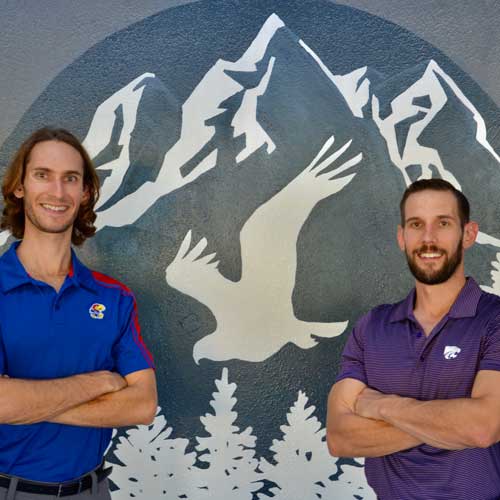
You deserve care that sees you as a whole person, not just a sore joint or a nagging golf injury. At WildHawk Physical Therapy in the Asheville area, we listen to your story, your goals, and how you want to move in daily life and in sport.
We build your plan around you, not around a generic protocol pulled from a textbook. Every session focuses on clear explanation, meaningful progress, and helping you feel more in control of your own body.
We blend hands-on treatment, targeted strength work, and golf-specific movement so you feel the change both in the clinic and on the course. The main goal is simple, to help you move with less pain, more confidence, and a clear path forward that still respects the rest of your busy life.
Support For Athletes Across Sports, Not Just Golf
If you split time between golf and CrossFit, Brazilian jiu jitsu, running, or strength training, your body needs a smart, integrated plan. We respect your drive to stay active, and we help you keep doing the things you enjoy without feeling like you have to choose between them.
We look at how each sport stresses your body and show you how to balance it out over the week and over the season.
That way you build strength and resilience that carries over to everything you do, from the first tee shot to the last repetition on the barbell.
Many of the same principles that protect your swing also protect your back on long runs and your shoulders on the mat. When your body moves better, every sport and every day task feels better and more sustainable.
Care For Active Adults In Asheville, Black Mountain, And Fletcher
If you live in the Asheville metropolitan area, including Black Mountain and Fletcher, you have access to care that understands active, outdoor, and sport-filled lives. We regularly work with golfers, weekend warriors, and adults who want long-term, medication-free relief that actually fits into real schedules.
We help you blend injury recovery with your work, family, and training demands without asking you to give up everything you love. The focus stays on sustainable change, not quick fixes that fade as soon as life gets busy again.
Ready To Take The Next Step
If you feel stuck between resting, guessing, and hoping pain settles, you do not have to stay there.
We offer a free discovery call so you can talk with our team, share your story, and learn what kind of golf injury physical therapy plan makes sense for you.
You can use this time to discuss your pain, your goals, and how to balance golf with the rest of your training and responsibilities.
There is no pressure and no obligation, just clear guidance so you can decide what feels right for your body and your life.
To get started, call WildHawk Physical Therapy at (828) 365 8133 and request your free discovery call with our team to discuss your pain, goals, and best care options.